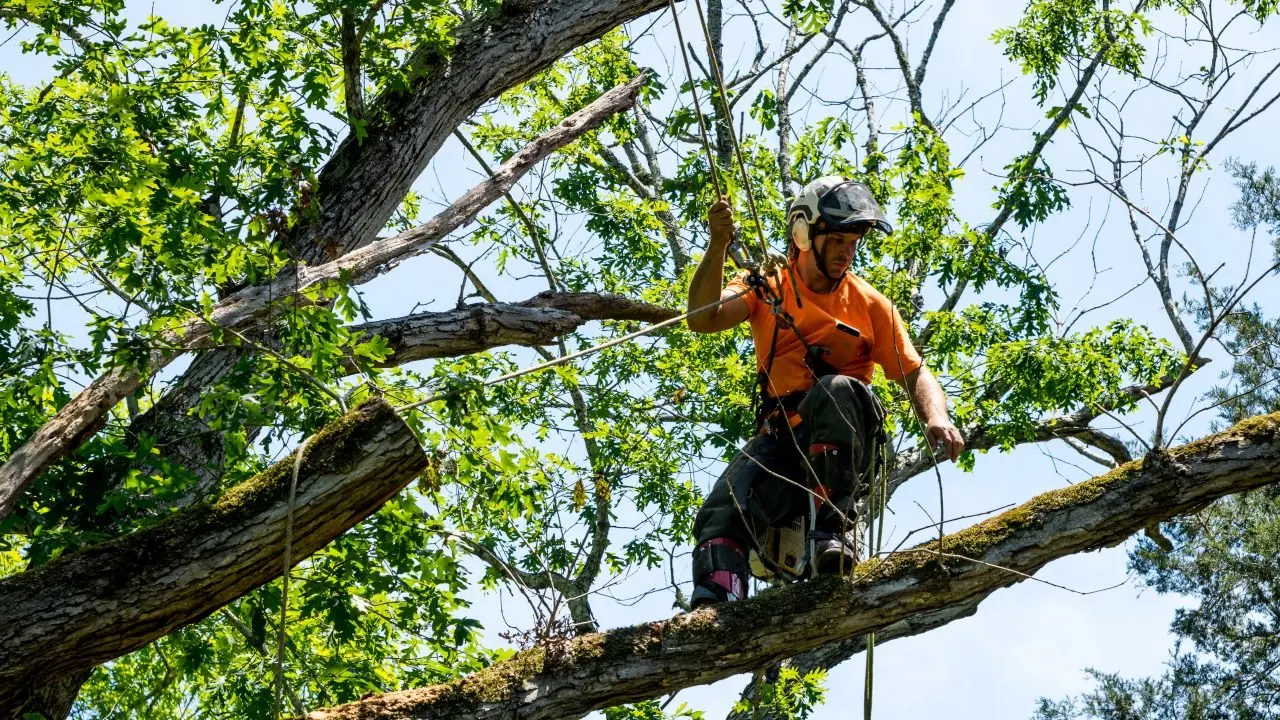
Know Before the Storm Decides for You
Every hurricane season, the same question comes up in League City backyards: "Is that tree going to come down on the house?" Usually it is a big oak with a lean, a pine towering over the roof, or a tree with a crack or fungus at the base. Guessing wrong in either direction is expensive. Take down a healthy tree you didn't need to, and you lose shade and value. Leave a failing one, and you may lose a roof, a car or worse.
A tree risk assessment replaces guessing with a careful, structured look at the tree and what is around it. Our licensed, insured crew checks the tree, explains what we find in plain language, and gives you realistic options.
When to Get a Tree Assessed
- Before hurricane season, for large trees near the house, driveway or play areas.
- After a major storm, even if the tree looks fine from the ground.
- When a tree develops a new lean, crack, cavity, fungus or dead top.
- Before building an addition, pool, patio or driveway near a large tree.
- When buying a home with big trees close to structures.
- When an HOA, insurer or neighbor has raised a concern about a specific tree.
What We Look At
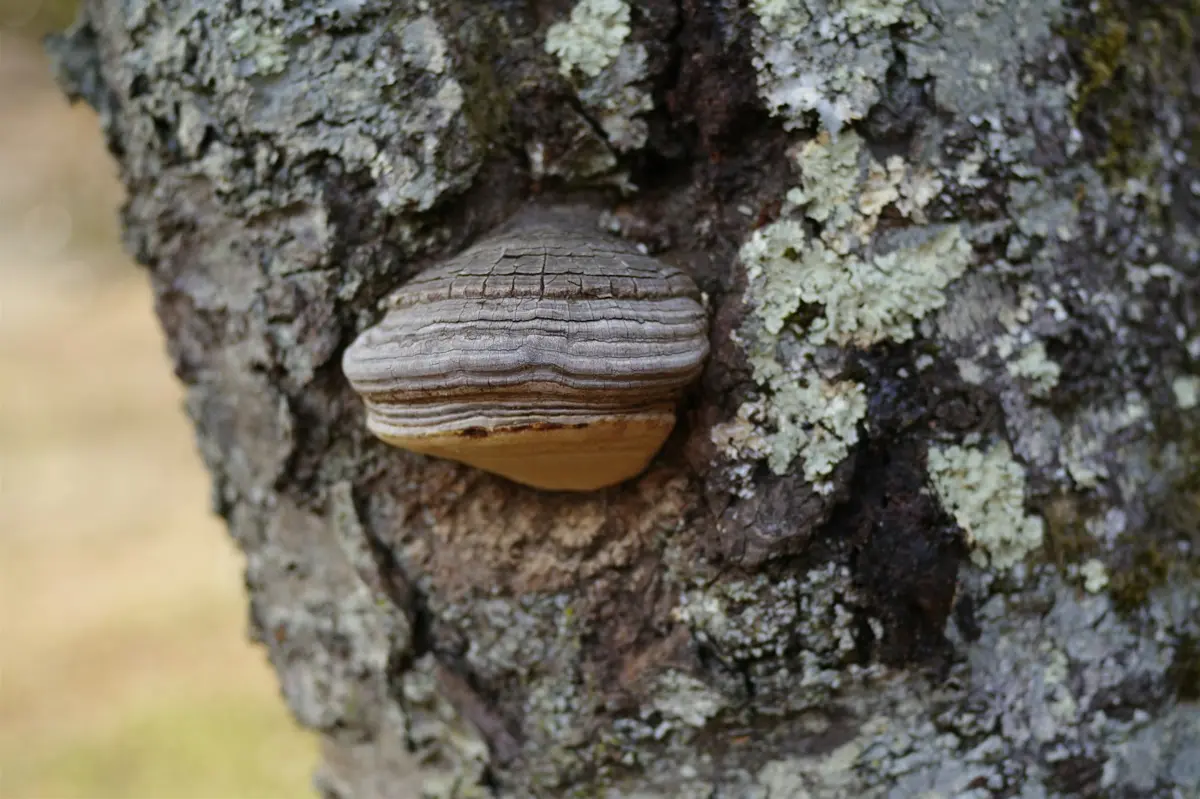
The Tree
We look at the trunk, root flare, branch unions and canopy for defects. Those include cracks, decay, cavities, included bark in forks, dead or hanging limbs, root damage and lean. We also note species, because some trees, like water oaks and pines, tend to fail in different ways than live oaks.
The Targets
Risk depends on what a tree could hit. A dead limb over an empty corner of the yard is a very different situation than the same limb over a bedroom, a pool deck or a school bus stop. We identify what is in the fall zone and how often people are there.
The Site
Soil conditions, drainage, recent construction or grading, root cuts from utility work, and exposure to wind off the bay all affect how a tree behaves. Trees that suddenly became the windward edge after neighbors cleared their lots are at higher risk than they used to be.
Levels of Assessment
| Level | What It Involves | Typical Use |
|---|---|---|
| Limited visual | A quick walk-around to spot obvious defects. | Screening many trees on a property or after a storm. |
| Basic | A detailed ground-level inspection of the whole tree and site, using simple tools like a mallet and probe. | Most residential concerns about a specific tree. |
| Advanced | Specialized tools or an aerial inspection of a specific defect, such as decay testing or climbing to check a high union. | Valuable trees where the basic inspection raises questions it cannot answer. |
These levels follow the framework used across the tree care industry. Most homeowner questions are answered by a basic assessment. If something needs advanced testing, we will tell you why before any extra cost is involved.
What You Get
At the end of the assessment, you get a clear explanation of what we found and how serious it is. You also get a set of options to reduce the risk. That might mean removing deadwood, reducing a heavy limb, adding cabling or bracing, moving a target like a swing set or parking spot, or monitoring and re-checking later. When removal is the right answer, we explain why. If you need it in writing for an HOA, insurer or buyer, we can provide a written summary of the findings and recommendations.
Tree Risk and Hurricane Season
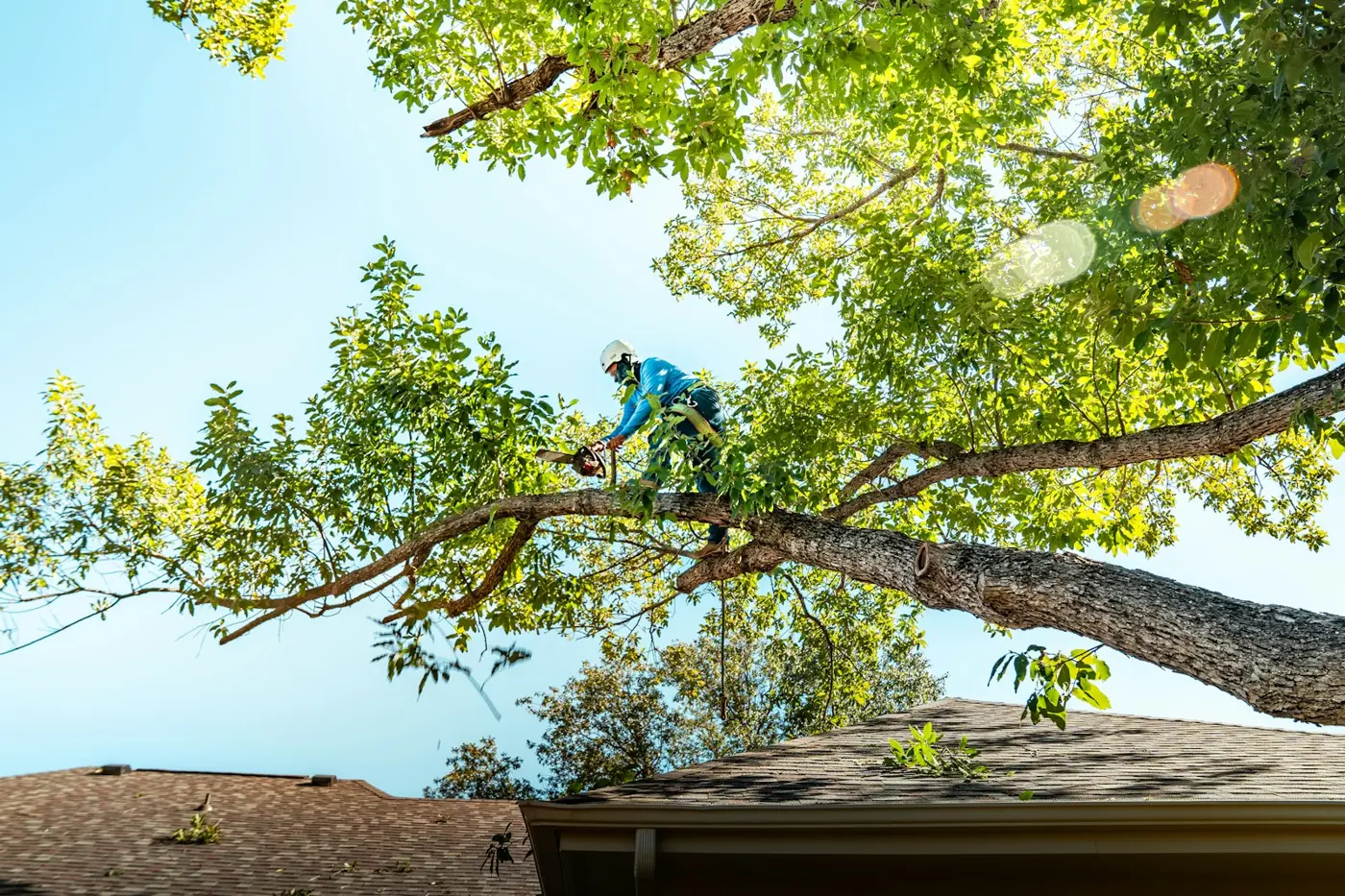
No assessment can promise a tree will survive a direct hit from a major hurricane. What an assessment can do is catch the defects most likely to fail in the more common storms. Those include tropical storms, strong thunderstorm lines and the outer bands of hurricanes. Removing dead limbs, reducing weight over the house and dealing with cracked forks before June 1 are some of the most effective steps you can take. After a storm, our storm damage cleanup crew can re-check trees that took a beating.
What a Tree Risk Assessment Costs
A basic assessment of one or a few trees is usually a modest cost compared with removing a big tree or repairing storm damage. Advanced testing or written reports for large properties cost more and are quoted ahead of time. If you go ahead with recommended work, it is quoted separately so you can compare options. Learn more about everything we do on our tree service League City TX page.
Tree Risk Assessment FAQs
What is a tree risk assessment?
It is a structured look at how likely a tree or part of a tree is to fail, what it would hit if it did, and how serious that would be. The result is a set of options to lower the risk, from pruning or cabling to removal.
Can any tree be made completely safe?
No. Every tree carries some risk, especially in hurricane-force winds. An assessment helps you understand whether that risk is reasonable for where the tree stands, and what can lower it.
When should I get a tree assessed?
Before hurricane season, after major storms, when you notice a new lean, crack or fungus, before building or adding a pool near a big tree, and when buying a home with large trees close to the house.
Will you just tell me to remove the tree?
No. Our goal is to keep good trees standing when the risk can be reduced. If a tree is genuinely unsafe, we will tell you plainly and explain why.
Have a Tree That Worries You?
Call and tell us what you are seeing. We will come out, look closely and give you straight answers.
Tap to Call 📞 (281) 800-9792