A Small City Surrounded by Water
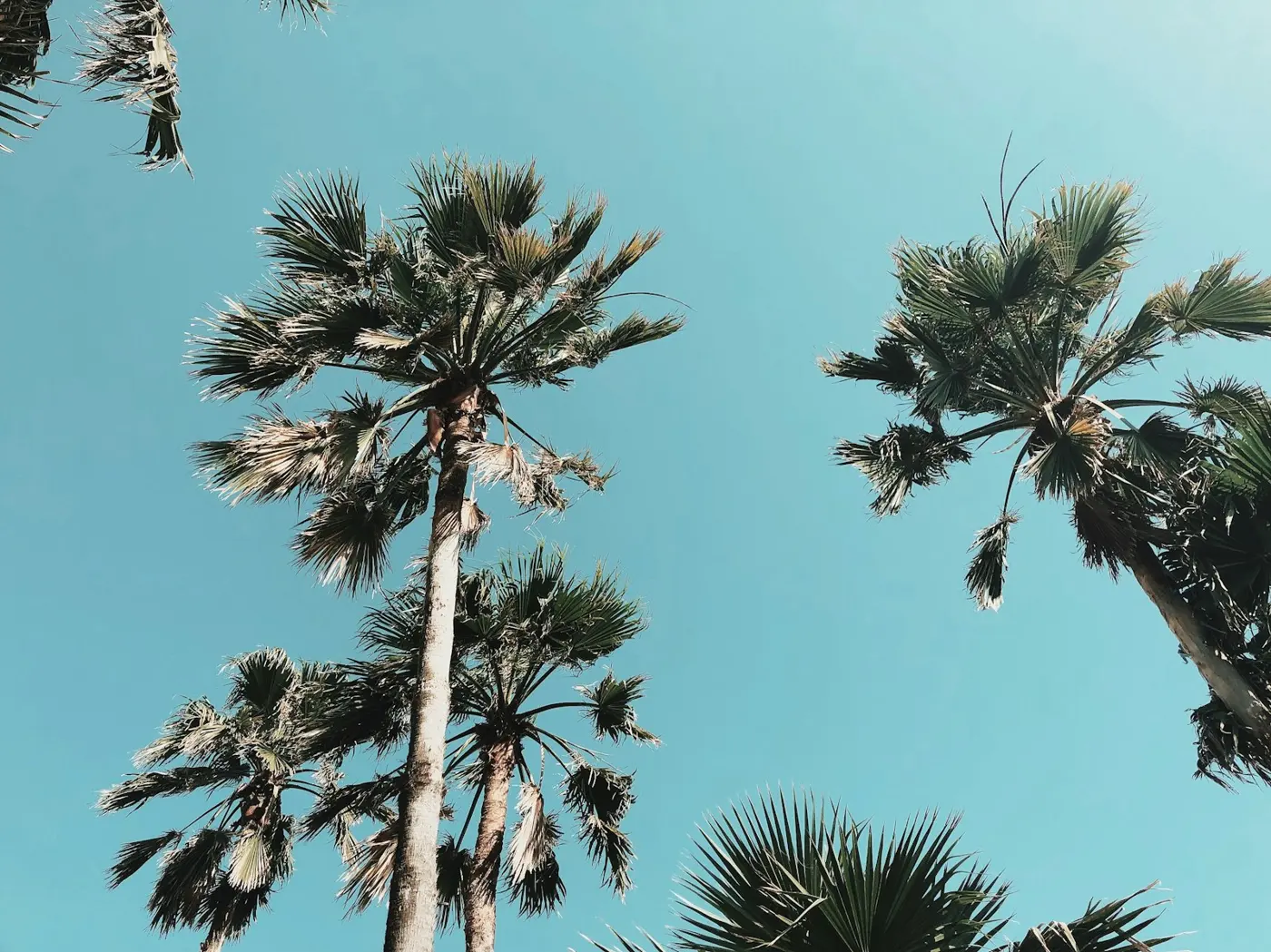
Nassau Bay is a small city of about 1,500 homes on the shore of Clear Lake, across from Space Center Houston. Much of it touches water: Clear Lake on one side, Lake Nassau, and the Nassau Peninsula conservation area. That makes for beautiful lots with mature trees and palms. It also means storm surge, salt and wind are part of every tree decision here.
Our licensed, insured crew provides tree trimming, palm care, removals, stump grinding and storm cleanup in Nassau Bay. We come up from our base in Dickinson, quotes are free, and emergency calls are answered 24 hours a day.
What Ike and Harvey Taught Nassau Bay
According to the city, only Hurricanes Ike and Harvey have flooded Nassau Bay homes in recent years. Both left a mark. During Ike, one Nassau Bay home owned by the mayor pro tem took on 33 inches of water and was unlivable for eight months, according to Community Impact. After those storms, the city began applying for federal grants to raise homes out of the floodplain. Since 2013, 94 homeowners have applied, and 61 have been approved.
Those changes affect trees too:
- Elevated homes put decks, stairs and siding at the height where tree limbs used to clear the roof.
- Construction for elevations and rebuilds often damages roots, and trees can decline years afterward.
- Saltwater surge stresses many hardwoods. Some species brown out quickly, and others decline over the following seasons.
Tree Care Around Raised Homes and Waterfront Lots
Working around a home on pilings takes more care than a standard backyard job. Wood has to be lowered without touching stairs, railings or decks, and equipment often has to stay off soft, landscaped ground near the water. Typical Nassau Bay work includes:
- Cutting back limbs that now reach decks, siding and second-floor windows after an elevation.
- Removing trees damaged by construction or decline from salt exposure.
- Clearing branches away from boat lifts, docks and seawall areas.
- Thinning dense oaks so wind off the lake passes through instead of loading the tree.
When a tree near a raised home is showing decline, a tree risk assessment helps decide whether pruning will make it safe or whether it should come down.
Palms in Nassau Bay
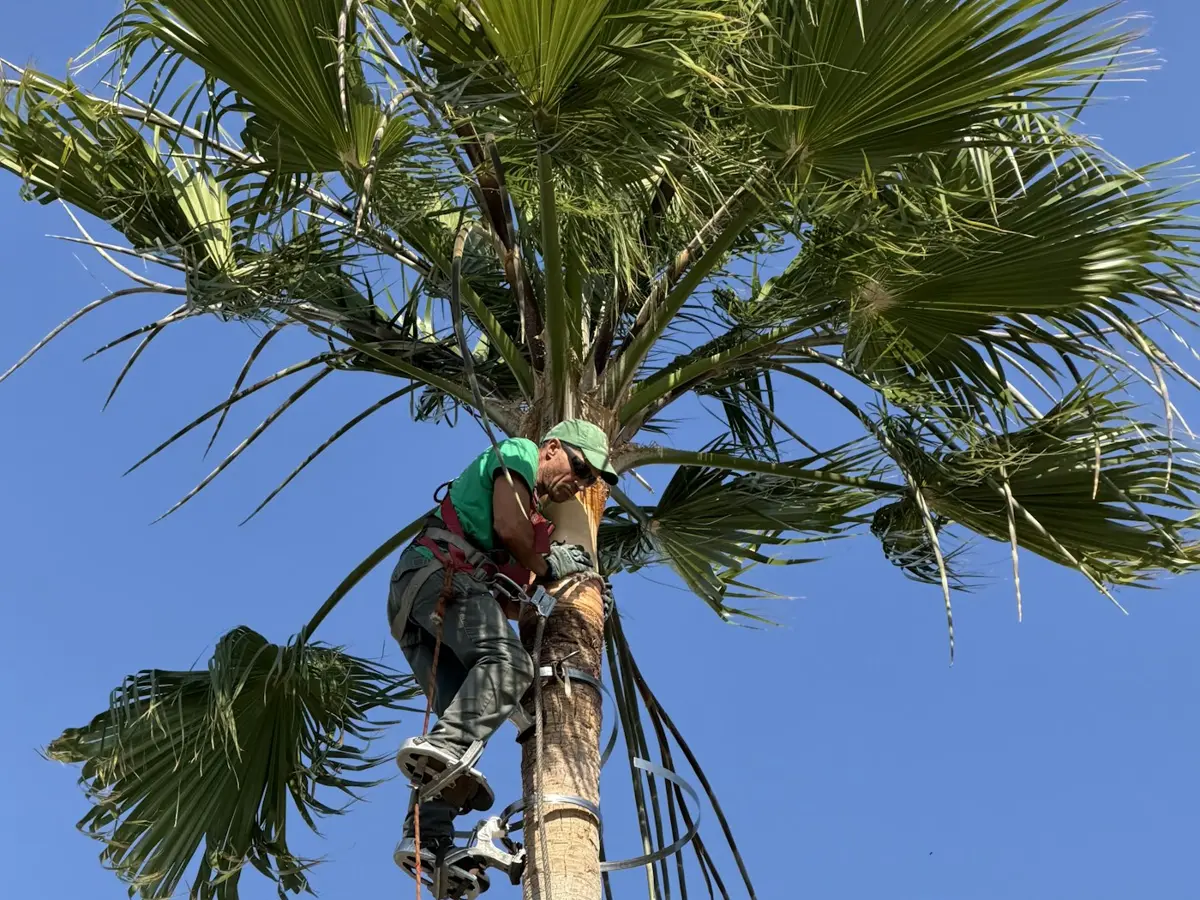
Palms do well in Nassau Bay's waterfront setting. They also handled Ike's saltwater surge better than most other trees, according to a Texas A&M Forest Service survey on Galveston Island. They still need care: dead fronds and heavy seed stalks become flying debris in high wind, and over-trimmed palms get weaker. Our palm tree service removes only dead fronds and seed stalks and does not spike living palms. We also keep watch for lethal bronzing, a palm disease now under state quarantine in parts of Galveston County.
Storm Prep and Cleanup
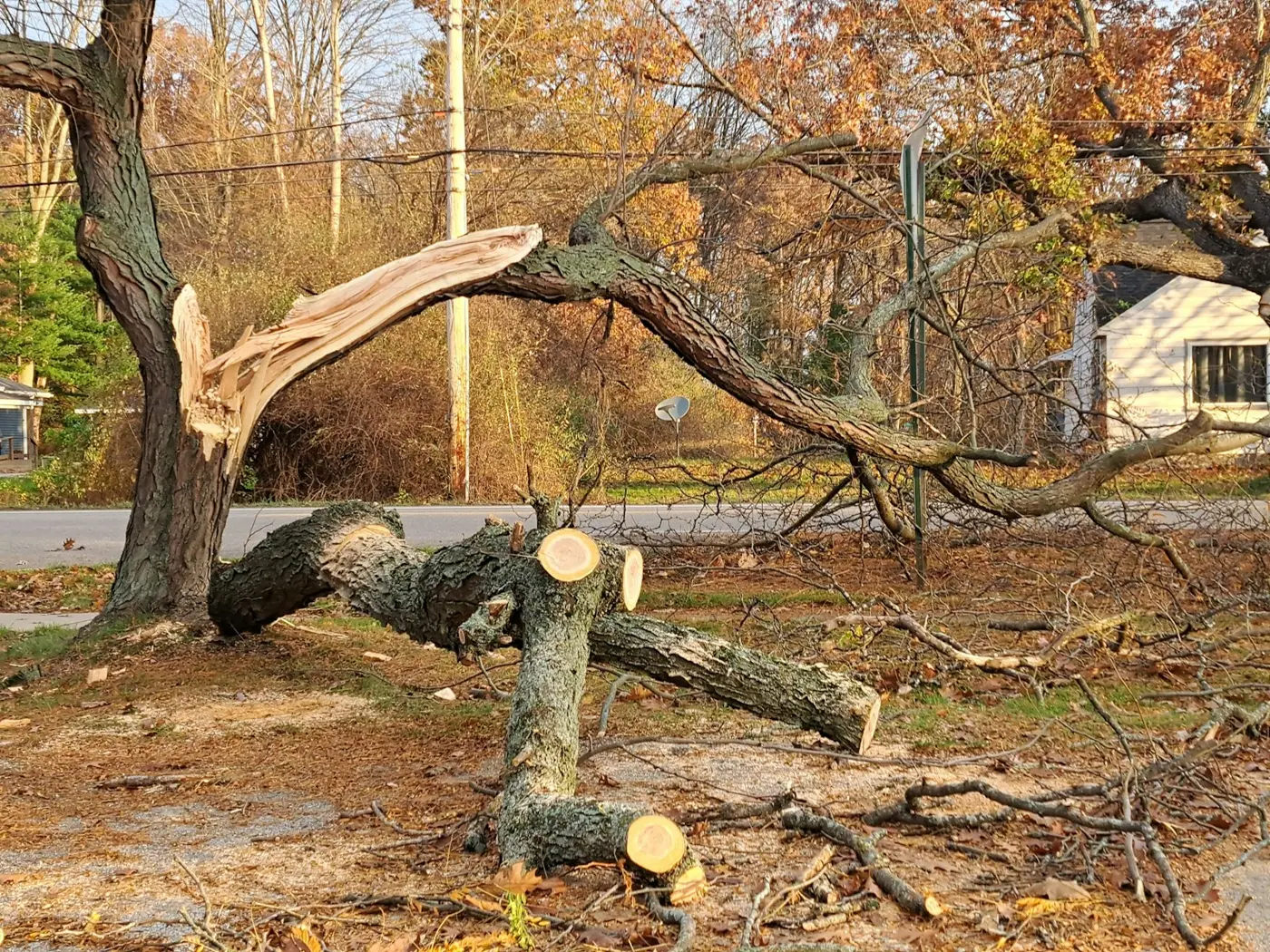
With water on so many sides, Nassau Bay gets the full force of tropical storms. Before June 1, focus on removing deadwood over the house and docks, thinning dense crowns, and checking trees with known defects. After a storm, our storm damage cleanup crew handles hanging limbs, split trunks and debris. Nassau Bay is in the CenterPoint Energy service area, so call CenterPoint first if a tree is on a primary line. For a tree on the house, call our emergency tree service.
Removals and Stumps
Trees near Nassau Bay homes usually come down in sections, lowered on ropes, especially when they stand close to elevated decks or the water. Stumps in lawns can be ground below grade. Stumps along seawalls and banks are often better left low so their roots keep holding soil. Learn more on our tree removal and stump grinding pages.
Trees Near Seawalls and Bulkheads
Many Nassau Bay lots end at a bulkhead or seawall, and trees planted close to the water raise a few specific problems. Roots can push against or under bulkheads, and a tree that leans out over the water puts its weight on the edge of the bank. When the soil behind a bulkhead stays wet or erodes, those trees can tip with little warning in high wind.
- Trees leaning over the water should be checked regularly, especially after storms or high tides.
- Limbs over docks and boat lifts should be cut back so they do not drop on boats or decking.
- Removing a waterfront tree usually means lowering wood back toward the yard, not into the water.
- Stumps right at a bulkhead are often cut low rather than ground, so the work does not disturb the wall.
If a tree is close to a seawall, have the wall's condition in mind too. It is often worth talking to a marine contractor before taking out a large stump near the bulkhead.
Cost of Tree Work in Nassau Bay
Pricing depends on tree size, how close it is to elevated structures and water, access, and cleanup. Waterfront jobs can take longer because of rigging and limited equipment access. Third-party data for nearby League City shows typical trim-or-remove jobs between about $376 and $919 (Angi), and HomeAdvisor's League City data shows palm removal at about $150 to $1,500. Every job is quoted in person. For more on everything we do, see our tree service League City TX page.
Nassau Bay Tree Service FAQs
Can you work around a home that has been elevated?
Yes. Raised homes change how trees relate to the house. Limbs that once cleared the roof may now hit siding or decks. We rig wood carefully around elevated structures, stairs and pilings.
Who handles trees on power lines in Nassau Bay?
Nassau Bay is in the CenterPoint Energy service area. Call CenterPoint for any tree touching a primary line.
Do saltwater floods hurt trees?
Yes. Salt water around roots and salt spray on leaves can brown trees quickly and cause decline months later. Palms usually tolerate salt better than most hardwoods.
Do you trim palms in Nassau Bay?
Yes. We remove dead fronds and seed stalks and leave the green crown intact. We do not use climbing spikes on palms we are keeping.
Call for a Nassau Bay Tree Quote
Trimming, palm care, removals and storm cleanup in Nassau Bay. Emergency calls answered 24/7.
Tap to Call 📞 (281) 800-9792