Tree Health Care for League City Trees
Trees along the upper Texas coast take a beating. They deal with heavy clay that floods after storms and cracks in August, salt air near the bay, and hurricanes. Since 2017, they have also come through Harvey's floods, the February 2021 freeze and Hurricane Beryl. Stress like that rarely kills a healthy tree outright. What it does is open the door to fungi, insects and slow decline.
Our licensed, insured crew checks trees that "just don't look right." We tell you what we think is going on, and we lay out practical options. Sometimes that is pruning and soil care. Sometimes it is a treatment. Sometimes it is removing the tree before it becomes a hazard.
Warning Signs to Watch For
- Leaves that are smaller, paler or thinner than in past years.
- Dead branches at the top of the crown, often called "dieback."
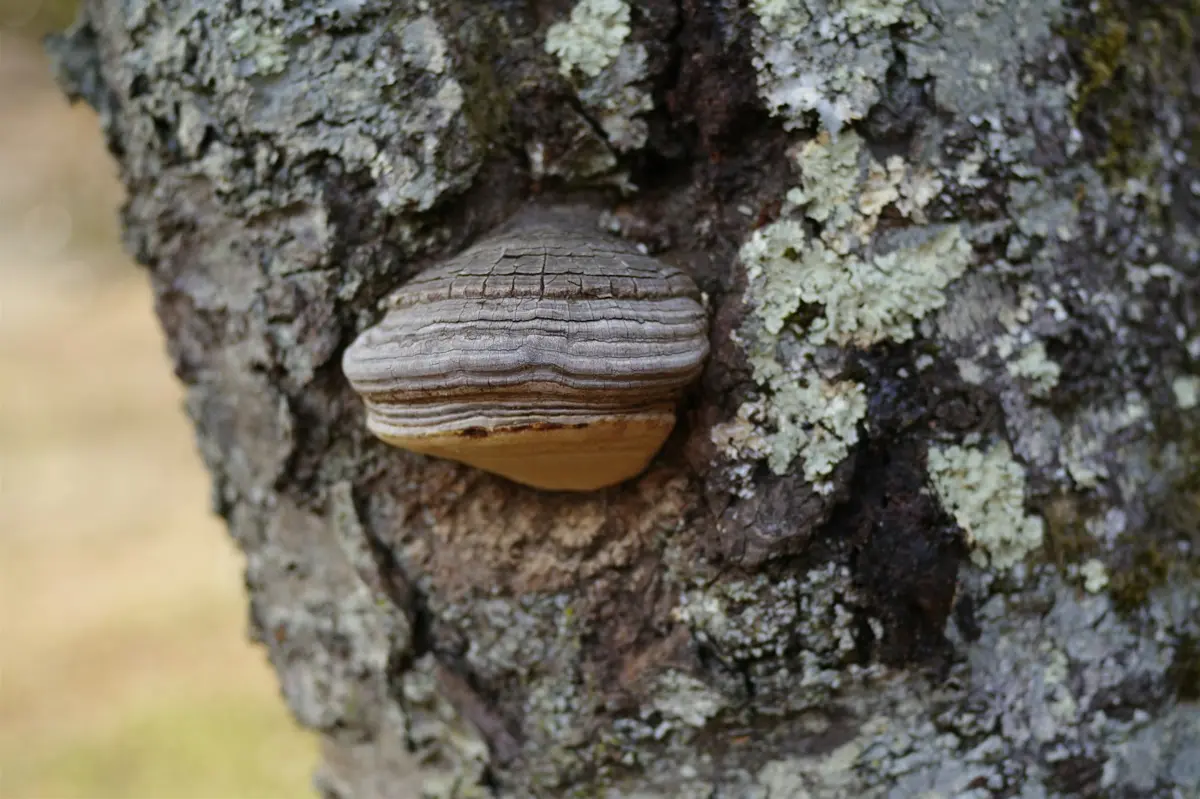
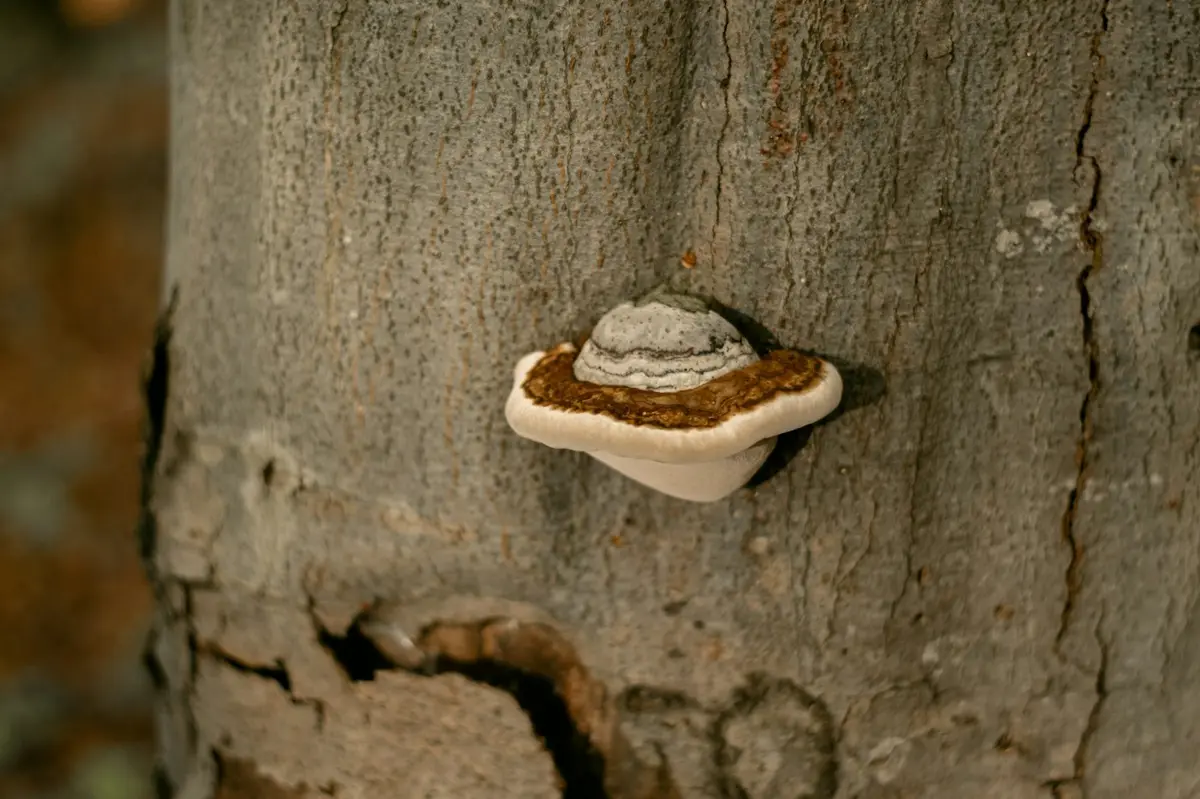
- Mushrooms, shelf-like conks or fungal mats on the trunk or around the roots.
- Bark that is cracking, peeling away in patches or oozing sap.
- Small holes in the bark, sawdust-like frass, or pitch tubes on pines.
- Early leaf drop or fall color in mid-summer.
- A soft, hollow or spongy area at the base of the trunk.
One sign alone may be minor. Several together, or a sudden change, deserve a closer look.
Common Tree Problems Around League City
Hypoxylon Canker
Hypoxylon canker is caused by a fungus that Texas A&M AgriLife calls an opportunistic pathogen. It does not attack healthy, vigorous trees, but it quickly takes over trees weakened by drought, flooding, root damage or construction. It can affect any oak, including live, water and laurel oaks, and it also shows up on pecans. Look for patches of bark sloughing off to reveal a tan, brown or silver-gray crust. The fungus causes a white rot in the wood, so it is a safety issue as well as a health issue.
Root Rot and Flood Stress
Roots need oxygen. When soil stays waterlogged, as it did across Dickinson and League City during Hurricane Harvey, fine roots die and root rot fungi move in. Decline can take a year or more to show. Watch for thinning, dead tops and mushrooms or conks near the base. A tree with significant root decay can fall over with little warning, even if the canopy still looks green.
Oak Wilt
Oak wilt is a serious fungal disease of oaks in Texas, spread by sap beetles and through connected root systems. Prevention is the main tool. Avoid pruning or wounding oaks from February through June, and paint fresh wounds on oaks right away. Any suspected case should be confirmed by testing before treatment decisions are made.
Pine Beetles
Stressed pines attract bark beetles. Pitch tubes (small blobs of resin on the bark), fine sawdust and a crown that fades from green to yellow to red are the signs. Infested pines usually cannot be saved. Removing them quickly helps protect nearby pines.
Palm Diseases
Lethal bronzing has been confirmed in parts of Galveston County, and the state has quarantine zones in place. Palms with sudden fruit drop and bronze-colored fronds should be checked. See palm tree service for details.
Freeze and Storm Damage
Frost cracks from the 2021 freeze, torn bark from storms and badly cut limbs all give decay fungi a way in. Clean pruning cuts and good aftercare help trees seal off damage.
How We Diagnose Tree Problems
We start with the whole tree and its site, not just the symptom. We check the root flare and soil, look for buried or cut roots, examine the trunk and branch unions, and inspect the canopy. We also ask what has changed: construction, a new driveway, regrading, flooding, a lawn treatment. Many "diseases" turn out to be root problems caused by changes around the tree. When a specific pathogen is suspected, samples can be sent to the Texas Plant Disease Diagnostic Lab at Texas A&M for confirmation.
Treatment Options
| Approach | When It Helps |
|---|---|
| Sanitation pruning | Removing dead, cankered or infected limbs to reduce spread and hazard. |
| Soil and root care | Mulching, relieving compaction and correcting grade problems around stressed trees. |
| Watering plan | Deep, infrequent watering for trees stressed by drought or root loss. |
| Targeted treatments | Specific insect or disease problems where a proven product is appropriate, applied according to the label. |
| Support or reduction | Lightening weight on trees with partial decay to buy time safely. |
| Removal | Trees with advanced decay, hypoxylon on a large part of the canopy, beetle-killed pines, or diseases that threaten nearby trees. |
Texas A&M AgriLife guidance on hypoxylon canker suggests considering removal when more than about 15 percent of the canopy is infected. When a tree needs to come down, our tree removal crew handles it, and the wood is disposed of properly so it does not spread problems to nearby trees.
Keeping Trees Healthy in the First Place
Most tree diseases here are driven by stress, so prevention is mostly about reducing stress. Keep a mulch ring instead of grass around the trunk. Protect roots during construction. Water young trees through dry summers, and prune correctly and at the right time. Regular tree maintenance catches small problems before they spread. For everything else we handle, see our tree service League City TX page.
Tree Health FAQs
What are the signs a tree is sick?
Thinning or yellowing leaves, dead branches in the upper canopy, fungus or mushrooms on the trunk or roots, bark falling away, oozing or cracks, and new growth that is small or stunted. Several signs together usually mean the tree is under real stress.
Can a tree with hypoxylon canker be saved?
Hypoxylon canker attacks trees that are already stressed. Texas A&M AgriLife guidance suggests considering removal when more than about 15 percent of the canopy is affected, because the fungus also rots the wood. Earlier, reducing stress can help the tree hold its own.
Do trees get sick after flooding?
Yes. Roots sitting in saturated soil lose oxygen, and decline can show up months or even a couple of years later as thinning canopies, dead tops and root rot. Trees around Dickinson and League City that sat in Harvey floodwater are a common example.
Can you just spray my tree?
Some insect and disease problems respond to targeted treatments, but many tree problems are caused by stress, root damage or poor soil, and no spray fixes those. The right treatment depends on an accurate diagnosis first.
Worried About a Sick Tree?
Call for a free look. We will tell you what we see and what your options are.
Tap to Call 📞 (281) 800-9792