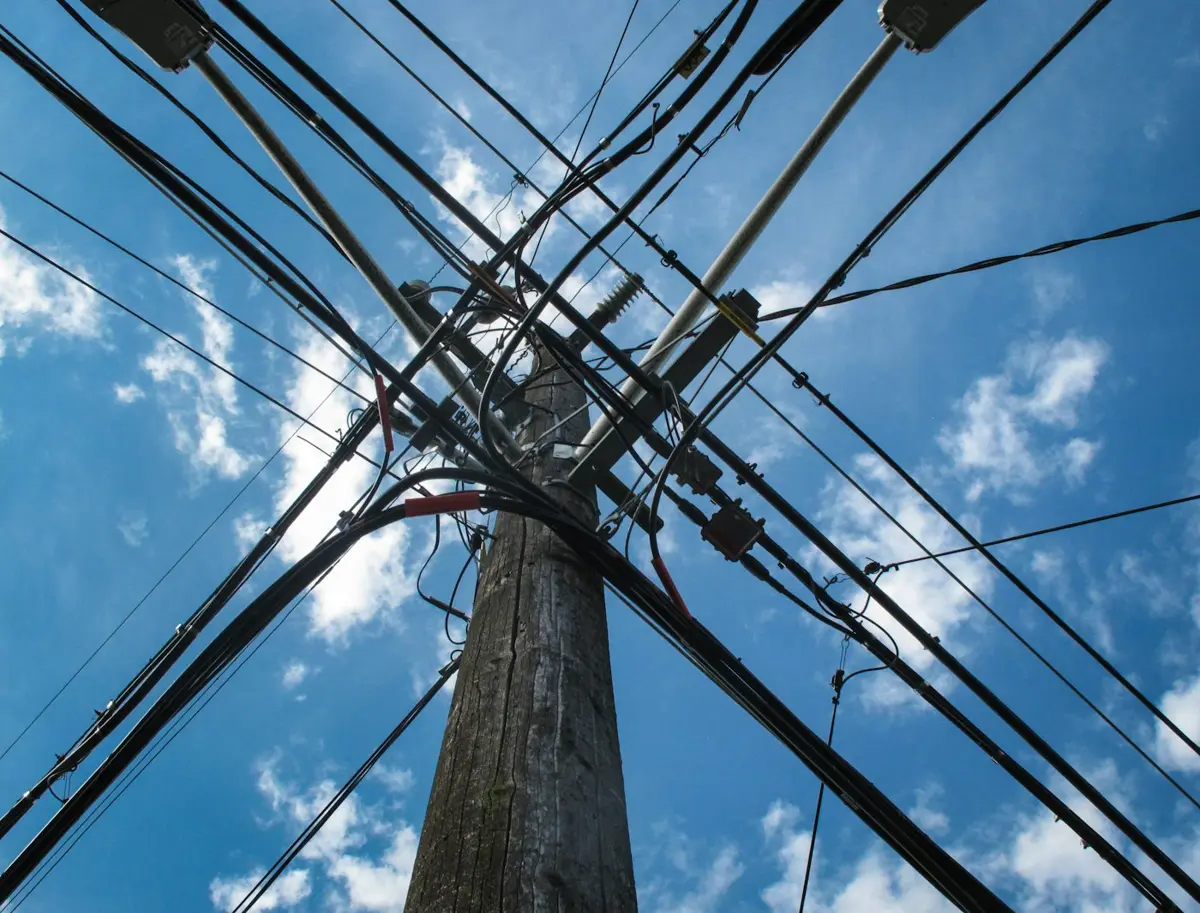
1. The Tree Threatens a Power Line
Electric utilities manage trees near their lines for safety. If a tree is growing into or leaning toward a primary line, call your utility. It may trim or remove the part that threatens the line, usually without charging you. The Public Utility Commission of Texas advises homeowners not to prune trees closer than 10 feet to high-voltage lines and to call their wires company instead.
2. It Is a City Street Tree
Some cities maintain trees in the public right-of-way. Others make the adjacent property owner responsible. Call your city before paying for a street tree.
3. A Storm Dropped It on a Covered Structure
The Texas Department of Insurance says many homeowners policies provide some coverage when a tree falls in a storm and damages your house. Removal is often part of that claim, after your deductible.
4. Local Assistance Programs
Some cities, counties and nonprofits help low-income or senior homeowners remove hazardous trees. See free tree removal for seniors.
What Usually Is Not Free
Removing a healthy tree you simply no longer want is a paid job almost everywhere. For those, a free quote is the place to start. See tree removal or our League City tree service.
Questions About Your Trees?
Get a free quote from our local tree crew. Emergency calls answered 24/7.
Tap to Call 📞 (281) 800-9792